
25 Best Historical Sites in Morrisania
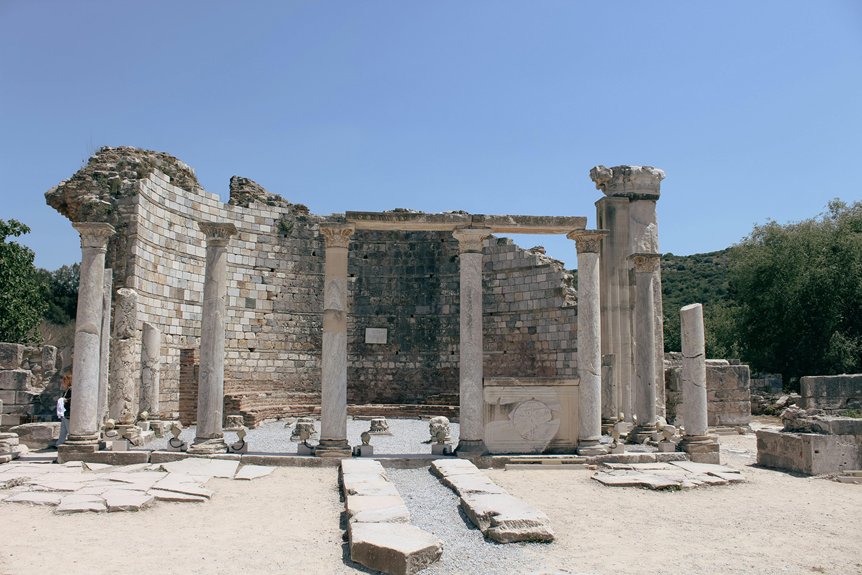
You’ve encountered Morrisania’s key historical gems, like the Edgar Allan Poe Cottage and Morrisania Historic District, which highlight revolutionary battles and immigrant legacies. As you consider these 25 sites, you’ll uncover deeper cultural insights that reveal the area’s enduring impact.
Edgar Allan Poe Cottage
The Edgar Allan Poe Cottage in Morrisania, Bronx, preserves the modest home where the author lived from 1844 to 1849.
As you visit, you engage with Poe’s Literary Legacy, analyzing the spaces that shaped his iconic tales.
Cottage Restoration Efforts have meticulously revived the site, allowing you to objectively assess its historical authenticity and Poe’s enduring cultural impact on American literature.
Morrisania Historic District
Adjacent to the Poe Cottage, Morrisania Historic District showcases a cluster of Victorian buildings that you’ve come to evaluate for their architectural integrity and historical evolution.
As you explore deeper, you’ll observe the array of Morrisania architecture styles, including Gothic Revival, Italianate, and Queen Anne, all of which highlight the profound Morrisania cultural heritage and the district’s adaptive history over the centuries.
Old Stone House
Standing prominently in Morrisania, the Old Stone House represents a cornerstone of early American architecture, its sturdy 17th-century stone facade reflecting the resilience of colonial settlers who’ve shaped the region’s history.
As you explore its stone house architecture, you’ll notice features like thick stone walls that enhance durability.
Historical preservation techniques, such as meticulous restoration and reinforcement, actively maintain its structural integrity, ensuring you witness authentic colonial craftsmanship.
Revolutionary War Battlefield
Amid the rolling hills of Morrisania, you’ll encounter the Revolutionary War Battlefield, where colonial forces clashed with British troops in decisive 1770s engagements.
As you explore, you’ll discover Historical Markers that analytically examine the Revolutionary War’s events, offering objective insights into military tactics, key figures, and battles’ outcomes that shaped early American history, enhancing your grasp of its significance.
Victorian Era Mansions
Shifting from the Revolutionary War’s battlefields, you can now explore Morrisania’s Victorian Era Mansions, which stand as elegant monuments to 19th-century architecture and social history.
You’ll observe Victorian architecture’s ornate details, like turrets and stained glass, reflecting societal wealth.
Historic preservation efforts actively maintain these structures, ensuring you experience their cultural significance without modern alterations.
Immigrant Neighborhood Memorial
The Immigrant Neighborhood Memorial pays tribute to the immigrant waves that transformed Morrisania, showcasing artifacts and stories that reflect their cultural contributions.
As you explore, you’ll analyze immigrant stories that preserve cultural heritage, gaining insights into how these narratives shaped community dynamics and enriched Morrisania’s diverse identity without romanticizing the past.
Bronx County Courthouse
Rising prominently in Morrisania, the Bronx County Courthouse stands as a tribute to early 20th-century architecture and the evolution of local governance.
As you explore its halls, you’ll examine Bronx architecture’s neoclassical details, central to courthouse history.
This structure actively preserves artifacts, letting you analyze key events in the Bronx’s judicial past, revealing governance’s societal impact.
Early 20th Century Schools
As you step away from the courthouse’s neoclassical echoes, early 20th-century schools in Morrisania emerge as essential community anchors.
Here, architects blended similar styles to foster education and shape young minds through innovative curricula and civic programs. You observe how progressive education was effectively implemented, with architectural styles that included open layouts promoting student collaboration and analytical thinking.
Jazz Age Nightclubs
Jazz Age nightclubs in Morrisania thrived as cultural hotspots during the 1920s, where patrons actively engaged with innovative jazz rhythms and social gatherings that reflected the era’s rapid societal shifts.
You explore jazz history by visiting these sites, where nightlife culture evolved dynamically, fostering analytical perspectives on how vibrant performances influenced community bonds and artistic innovation.
Civil Rights Protest Sites
Morrisania’s civil rights protest sites served as pivotal arenas where activists mobilized against inequality, drawing crowds that challenged systemic injustices and fostered community resilience.
You’ll explore protest history through landmark events, witnessing activism’s impact on social justice and equality struggles.
Historical figures led grassroots movements and community organizing via civil disobedience, shaping Morrisania’s legacy of change.
Industrial Revolution Factories
The Industrial Revolution factories in Morrisania drove economic transformation, introducing mechanized production that boosted manufacturing and employment.
As you visit these sites, you’ll observe how textile manufacturing shaped factory workers’ roles, with analytical evidence showing they optimized production, spurred job growth, and influenced community dynamics, giving you a clear view of the era’s lasting impact.
Native American Settlement Ruins
Amid these factory remnants lie the Native American settlement ruins, where you examine artifacts revealing how indigenous groups adapted to the local environment, fostering trade networks and resilient communities that preceded industrial changes.
You’ll analyze ancient artifacts, such as tools and pottery, to discern settlement patterns that optimized resources and sustained populations through seasonal shifts.
Dutch Colonial Farms
As Dutch settlers arrived in Morrisania, they established colonial farms that blended practical architecture with efficient agriculture, introducing windmills and crop rotation to maximize yields on the fertile land.
You’ll analyze how Dutch architecture’s innovative designs, such as steep roofs and large barns, facilitated colonial agriculture by ensuring better drainage, storage, and overall efficiency, thereby optimizing crop yields in the region.
Underground Railroad Stops
In the mid-1800s, Morrisania’s abolitionists established secret stops along the Underground Railroad, offering safe havens that facilitated escapes for enslaved individuals seeking freedom in the North.
As you visit these safe houses, you’ll uncover Harriet Tubman’s role in guiding freedom seekers via secret routes and escape plans within abolitionist networks.
Oral histories and historical markers provide analytical insights into these crucial operations, preserving their legacy.
World War I Memorials
World War I memorials in Morrisania honor the local soldiers who served in the Great War.
As you explore these World War I Memorials, you’ll attend Remembrance Ceremonies that analyze their sacrifices objectively.
These events offer factual insights into the community’s wartime contributions, encouraging you to reflect on historical impacts actively and appreciate Morrisania’s enduring legacy.
Great Depression Soup Kitchens
During the Great Depression, soup kitchens in Morrisania served as essential community lifelines, providing meals to those affected by economic hardship.
As you explore soup kitchen history, you’ll witness the Great Depression’s impact on local lives, where these sites actively combated starvation and analyzed societal inequalities, fostering resilience amid widespread unemployment and resource scarcity.
Post-War Housing Projects
Post-war housing projects in Morrisania addressed the urgent need for affordable homes after World War II, reshaping neighborhoods that had endured economic struggles like those of the Great Depression.
As you explore these sites, you’ll see how post war architecture drove urban development by introducing efficient, modular designs that actively revitalized communities, promoting accessibility and long-term stability without displacing residents.
1960s Cultural Centers
In the 1960s, cultural centers in Morrisania emerged as vibrant hubs that fostered community creativity and social dialogue.
You’ll discover these centers actively hosted engaging cultural festivals and art exhibitions, where you can analyze how local artists addressed social issues through dynamic displays.
This encouraged your participation in thoughtful debates and community bonding without fluff.
Local Cemeteries
Local cemeteries in Morrisania preserve the area’s historical narratives through their layout and inscriptions, where you analyze gravestones to uncover insights into social structures and demographic shifts.
You’ll find historical significance in famous burials of key figures, allowing you to explore the era’s social dynamics and understand demographic changes, fostering a deeper appreciation of Morrisania’s heritage.
Famous Residents’ Homes
Famous residents’ homes in Morrisania showcase the lives of influential figures through preserved architecture and personal artifacts.
You’ll encounter homes of famous literary figures like those linked to local authors, where historic architectural styles—such as Victorian and Federal—reveal their daily routines and inspirations.
Analyzing these structures, you gain objective insights into cultural shifts and personal legacies preserved for education.
Street Art With Historical Themes
Street art in Morrisania vividly captures historical themes, transforming urban spaces into dynamic canvases that reflect the neighborhood’s past.
As you explore these areas, you’ll encounter street murals depicting key events that analytically preserve local narratives, while historical graffiti offers factual insights into social transformations.
This helps you gain an objective understanding of the community’s evolution through public art.
Old Bridges and Tunnels
As you move from the vibrant murals of street art, old bridges and tunnels in Morrisania embody the neighborhood’s industrial heritage, offering physical links to its past that you’ve seen echoed in artistic depictions.
You’ll notice their historical significance in facilitating 19th-century trade, while architectural features like arched designs and robust stonework analyze the era’s engineering prowess, preserving Morrisania’s evolution.
Parks With Statues
Morrisania’s parks feature statues that honor key historical figures and events, drawing visitors into the neighborhood’s storied past.
As you explore these spaces, you’ll encounter public art that highlights their historical significance, analyzing key community milestones through detailed sculptures.
This approach lets you actively interpret narratives of growth and resilience, fostering objective insights into Morrisania’s evolution without fluff or redundancy.
Libraries and Archives
Libraries and archives in Morrisania preserve the neighborhood’s history through curated collections of documents and artifacts.
You access library archives, where historical documents reveal local stories and events.
These resources let you analyze socioeconomic shifts and cultural legacies objectively, offering precise insights into the area’s evolution without overwhelming detail.
Community Centers
Community centers in Morrisania act as dynamic hubs that preserve historical narratives through interactive programs and events.
You can participate in community events and cultural programs, which analytically explore local heritage by examining artifacts and stories.
These offerings provide objective insights, helping you understand key historical developments factually and engage actively with Morrisania’s past.
Final Thoughts
As you explore Morrisania’s historical gems, like the Edgar Allan Poe Cottage and Revolutionary War battlefields, you’ll uncover layers of American resilience and cultural evolution. These sites offer objective insights into pivotal events, from Underground Railroad stops to Victorian architecture, encouraging you to analyze their factual significance. It’s clear that visiting them deepens your understanding of the community’s diverse heritage in just a few steps.